
Who gets to speak
Detroit's police oversight board briefly considered ending call-in and Zoom comment. What happened next is a clear picture of how a public process is meant to work.
What you need to know
of the public comments at the August 27 meeting came from people attending over Zoom.
The motion was introduced on August 27 and withdrawn on September 3. No vote was taken, and the rules did not change.
Zoom and phone comment remain available, and the Board noted they carry no additional cost.
is each speaker’s time. An attempt to shorten it to 90 seconds at the September 3 meeting was ruled out of order by the parliamentarian.
What was proposed
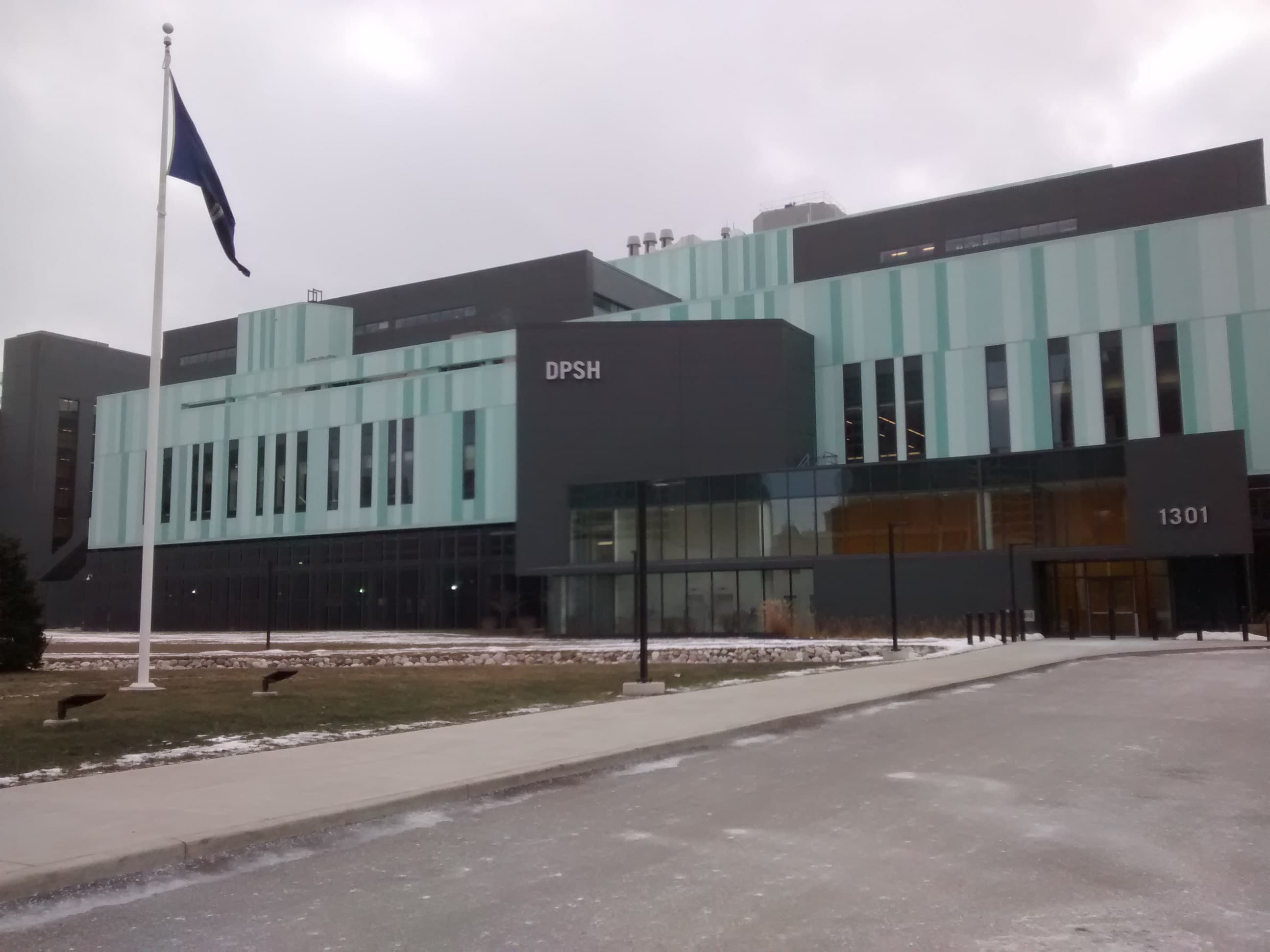
The Board of Police Commissioners is the civilian body that oversees police policy in Detroit. It meets weekly, and residents can address it in three ways: in person with a comment card, over Zoom, or by phone. Every speaker gets two minutes.
At the meeting on August 27, 2026, a commissioner moved to end the virtual options and hear public comment only from people physically in the room. Another commissioner seconded it. Reporting indicates the motion followed a pointed comment directed at the commissioner by a constituent over Zoom.
It was a motion made from the floor, not a rewrite of the Board’s rules of procedure — which matters, because it meant the change could have been made quickly, in a single meeting.
The case supporters made
The argument was about presence. Oversight is relational work, and a commissioner who hears a grievance in person can respond to it in person — shake a hand, take a question, follow up afterwards. A voice on a speakerphone is harder to answer that way.
Supporters also noted the comment record would not disappear: residents can still email the Board, and those emails go on the record. The Board’s secretary observed that plenty of public bodies have stopped taking comment virtually since the pandemic, so the change would not have been unusual among Michigan boards.
The questions people asked
The objection was not that presence is worthless. It was that requiring it prices some residents out of being heard at all. The Board sits at 3 PM on a Thursday at Public Safety Headquarters — a difficult slot for anyone working a shift, caring for someone, or relying on a bus. Once a month it does meet in the evening, at 6:30 in a rotating precinct, and that is the most reachable of its sittings — but the other three weeks are the mid-afternoon ones. Disability and senior advocates said plainly that in-person-only would remove their members from the conversation.
Detroit Disability Power, Riverwise Magazine, and Warriors on Wheels of Metropolitan Detroit all objected, and a resident circulated a petition. The usage number did the rest of the arguing: about half the comments that very evening arrived over Zoom.
On the email alternative, a commissioner asked the practical question — where do emailed comments actually go? They are not read aloud at the meeting, and commissioners said they do not receive them directly. Detroit Documenters, which covers meetings of 98 public agencies and has reported on nearly 2,000 of them, said it could recall no example of a public body that offers virtual attendance but not virtual comment, and invited anyone to name one.
A tool can be worth keeping simply because it is the only door some people can reach.
What happened
At the September 3 meeting, the commissioner who introduced the motion withdrew it, citing the outcry from the community — while adding that some of the opposition, in her view, rested on incorrect information. No vote was taken. Zoom and phone comment continue exactly as before.
That is worth sitting with, because it is the ordinary machinery of a public process working at ordinary speed. A proposal was made in public, at a noticed meeting. People read about it, showed up, wrote, and signed. A week later the proposal was gone. Nobody had to be a villain for that to happen.
One loose thread: at the same meeting the chair moved to cut speaking time from two minutes to 90 seconds, and the parliamentarian ruled it out of order. Two minutes stands today. It was contested a week ago, which is a reason to keep an eye on it rather than assume it is settled forever.
A proposal was made in public, people answered it, and a week later it was withdrawn. That is the process working.
Voices
“I want to see people. I want [it] so they can see me, feel my energy, shake my hand, and rectify what it is that they feel that we may have said or done that may have offended them.”
The commissioner who introduced the motion
Board of Police Commissioners
BridgeDetroit, Sep 1 2026 ↗“As public servants, it’s hard to believe that you could support a motion of that sort when people with disabilities, seniors and working families may not have the means to attend these meetings in person every single time to voice concerns.”
Lisa Franklin
Founder and CEO, Warriors on Wheels of Metropolitan Detroit
BridgeDetroit, Sep 1 2026 ↗“It will actually block me from my community and my voice being heard.”
Jawana Oliver
District 7 resident, who started a petition against the motion
BridgeDetroit, Sep 1 2026 ↗“There’s a lot of people I know that (have) a relationship with me that looked at these meetings to be able to comment on Zoom and on the phone for a reason because they can’t get here. So I thank you.”
Rochella Stewart
Longtime Detroit advocate, after the motion was withdrawn
BridgeDetroit, Sep 3 2026 ↗Questions worth asking
Good questions for a good decision
- 01
Where do emailed public comments go, and are they posted or read into the record?
- 02
Will the two-minute speaking time stay at two minutes?
- 03
Would a change to how the public is heard get its own notice and hearing, rather than a motion from the floor?
- 04
Is there a written policy guaranteeing virtual comment for as long as meetings are streamed virtually?
- 05
How many residents use the call-in line each month, and is that number published?
What a strong, open process looks like
Shared ground most people can agree on
A clear, written rule that public comment stays available in every format the meeting itself is available in.
Emailed comments posted to the record where anyone can read them, so the alternative is a real one.
Advance notice when a change to public participation is on an agenda, so residents can weigh in before a vote rather than after.
Published counts of how public comment arrives — in person, phone, Zoom — so the conversation rests on numbers.
Dates & decision points to watch
Aug 27, 2026
The motion to end virtual public comment is introduced and seconded at the Board’s weekly meeting.
Sep 3, 2026
The motion is withdrawn. No vote is taken; Zoom and phone comment continue.
Sep 3, 2026
A move to cut speaking time from two minutes to 90 seconds is ruled out of order.
Every Thursday
The Board meets at 3 PM. The second Thursday is a 6:30 PM community meeting at a rotating precinct.
Primary sources
Every claim on this page links to its source. Some figures come from reporting that should be re-confirmed against primary records before a public hearing — we'd rather you verify than trust us. If you find an error, tell us and we'll fix it.
Show up when it counts
Decisions get made in rooms.
We'll tell you which room, and when.
The most powerful thing a resident can do is be present before the vote. Subscribe and we'll email you ahead of every City Council session, Police Commissioners meeting, and public hearing that shapes our city.